|
|
|
Critical Linkages: Livelihoods, Markets and Institutions
|
|
5. Markets and institutions: a case study
We conclude with brief description of an example of the way that we have recently tried to apply these concepts to a very short desk study of rural livelihoods and agricultural marketing in Africa. We present a summary of this in an annex to this paper and restrict ourselves here to a description of the main elements of our approach.
We began with our analytical framework for examining the roles and performance of markets in the livelihoods of the poor (as summarised in figures 5 and 6 above). This led first to further elaboration of our understanding of the relationships between the broader environment; government policy; government, civil society and private sector organisations; markets; and stakeholder livelihoods (see figure A1.1 in annex 1) and then to a set of questions challenging our understanding of the relationship between the livelihoods of the poor and markets. Understanding which markets are currently and potentially most important for the poor is critical to understanding and thinking about both market and non-market livelihood interventions. Based on (limited) information available, an attempt was made to identify critical markets for different groups of poor people, and then to identify causes of market failure affecting the access of poor people to these markets. In addition to tentative conclusions about critical market development issues that need to be addressed, the study led to conclusions about the processes that need to be followed in formulating a strategy to support marketing and livelihood development. This requires identification of markets that are important for the poor with most potential for improvement, of critical opportunities and constraints for these markets, of the stakeholders involved in these markets. Only the is it possible to consider in more depth how opportunities and constraints may be addressed, to plan and prioritise appropriate action.
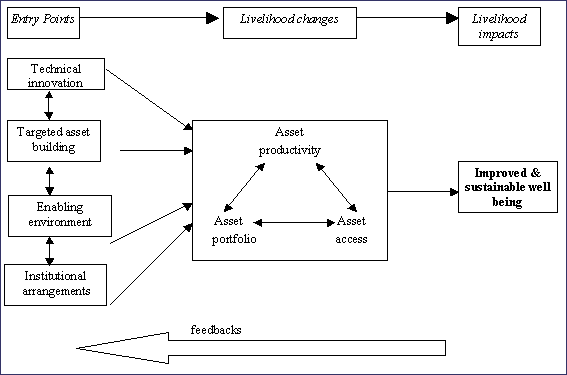
Figure 6. Entry points and livelihood change
|
|